AI That Goes from a Customer Ticket To Resolution in Minutes
Break the L3 Escalation Cycle
Root-cause any issue in minutes — with the full context of code, telemetry, and tickets.
- Stop the escalation spiral — give L1 and L2 the context and tooling to resolve or deflect what used to require L3
- Trace every ticket to the line of code without pulling engineering into the investigation
- Make L3 the exception, not the default, giving engineers time back for innovation

Empower support without involving engineering
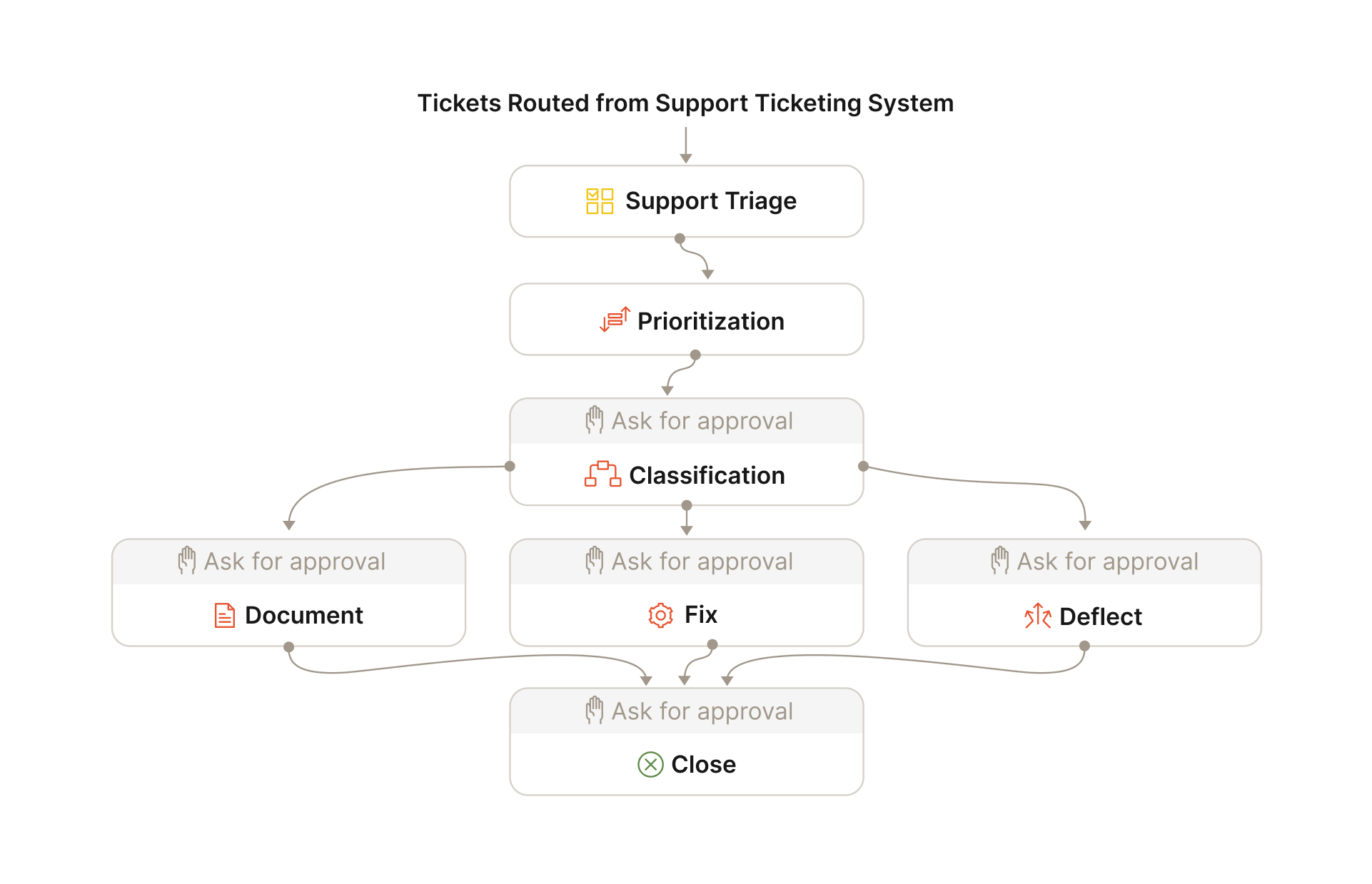
- Agentic debugging with full documentation
- Human-in-the-loop triage and prioritization
- Root cause analysis workflows
- Deflect, document, and resolve non-bugs
- Developer-ready handoffs
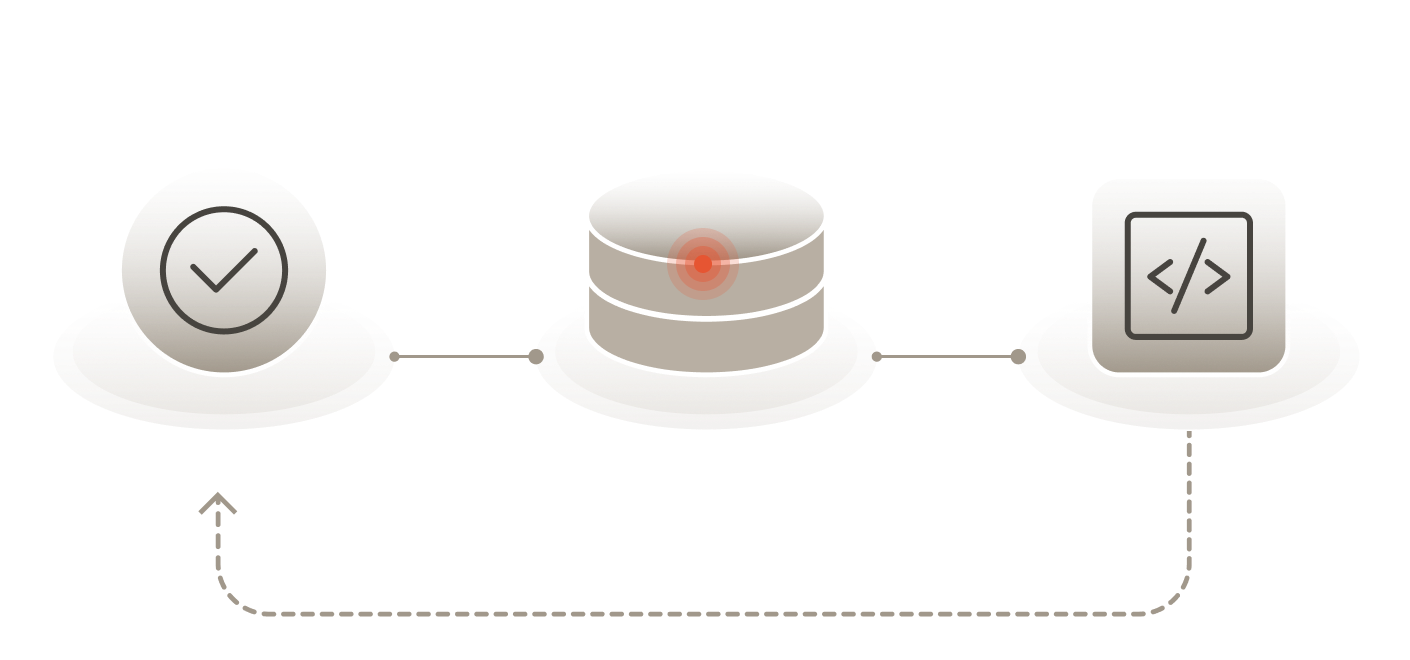
- Compounding intelligence and institutional memory
See how PlayerZero eliminates unnecessary L3 escalations


Stop Escalating. Start Resolving.

Turn every resolved issue into institutional knowledge
The proof is in production

80%
Reduction in MTTR

3x
Faster ticket resolution

90%
Fewer L3 escalations
What is an L3 escalation and why is it a problem?
L3 is the escalation tier where complex production issues land when L1 and L2 support can't resolve them. In most engineering organizations, that means a ticket gets handed to a senior engineer or dedicated support engineering team, who then has to reconstruct context from scratch across logs, tickets, code, and recent deployments. It's slow, expensive, and pulls engineering time away from building. When L3 becomes the default path for anything non-trivial, it creates a backlog that compounds over time.
Why do L3 escalations stay high even after investing in AI support tools?
Most AI support investments target L1, handling password resets, status updates, and simple FAQs. That's genuinely useful, but it doesn't touch the complex issues that drain engineering time. Those tickets still require someone to connect what a customer experienced, what the system did at runtime, and where the code failed. No L1 chatbot can do that. PlayerZero can, because it's built on a unified model of your entire production environment.
Does PlayerZero replace our existing support tooling?
No. PlayerZero connects to your existing stack, including Zendesk, Jira, and your observability tools, and adds the layer of codebase intelligence that those tools are missing. Your support team works in the tools they already know. PlayerZero gives them the context to do more without escalating.
How does PlayerZero help support teams resolve issues without engineering?
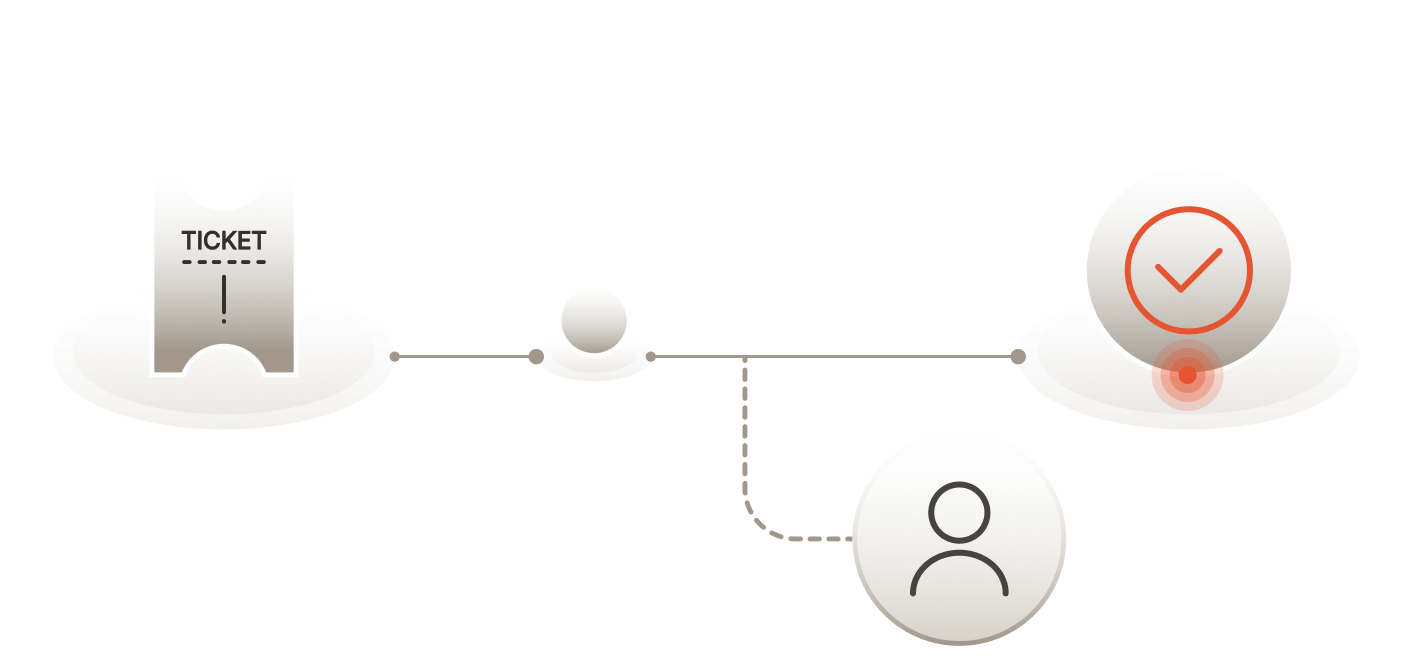
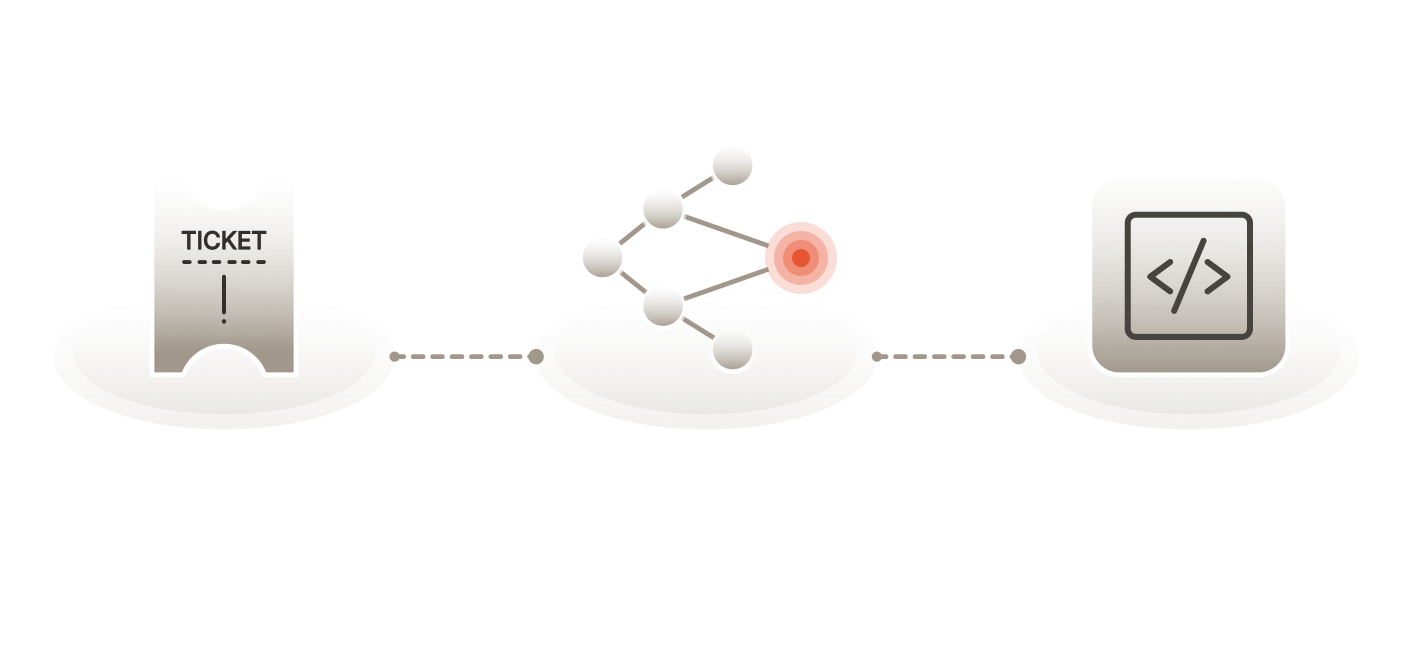
When a ticket comes in, PlayerZero's AI agents trace it through your engineering world model, connecting the customer report to relevant code paths, recent deployments, and historical patterns. Support gets a clear picture of what broke, why, and whether it's a known issue. That context is often enough to classify, respond to, or resolve the ticket without involving an engineer at all.
What makes PlayerZero different from observability tools like Datadog or Splunk?
Observability tools are excellent at telling you that something is wrong and showing you signals. They're not built to tell you why, or to connect those signals to specific code behavior or customer context. PlayerZero builds an engineering world model that spans code, telemetry, and tickets together. That's what allows AI agents to find root cause rather than just surface more data for engineers to sort through.
How quickly does the L3 escalation rate drop after implementation
Most teams see meaningful improvement within the first few weeks as PlayerZero ingests your codebase and historical ticket data. The value compounds over time: every resolved ticket becomes a scenario that prevents future escalations, so your L3 queue shrinks steadily rather than in bursts.